- Why try-on ads work
- Step 1: Upload good garment photos
- Step 2: Pick the AI person and the scene
- Step 3: Script one detail
- Step 4: Check it against the real thing
- Where to run them
- Sizes and cost
Why try-on ads work
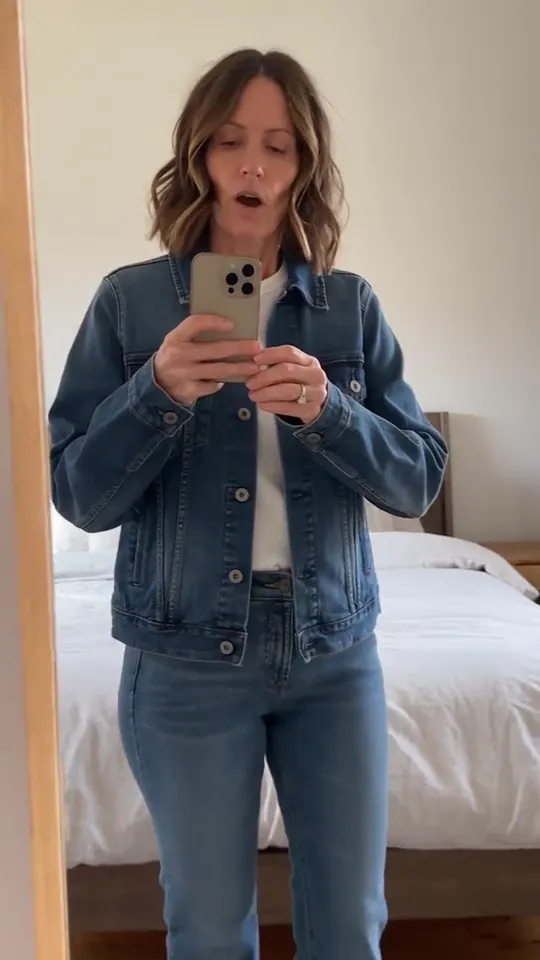
Shoppers buying clothes online want to see how it fits, how long the sleeves are and how it moves. A try-on answers that in a few seconds, in the same selfie style people already watch on Reels and TikTok, without booking a model, a studio and a photographer.
Step 1: Upload good garment photos
Use a flat lay or a ghost-mannequin photo on a plain background, front and back if you have them. The clearer the photo, the closer the try-on stays to the real color, print and cut.
Step 2: Pick the AI person and the scene
Choose one of 28 AI people whose look fits your buyer, and a place they film in. None of them is a real person, so there are no model fees or usage rights.
Step 3: Script one detail
Say one thing the photo can't: "the sleeves actually reach my wrists", "it doesn't cling", "heavy enough for October". Keep it true to the product: Campaignify's compliance check holds each line to the claims you approved for it.
Step 4: Check it against the real thing
- The color and print match the garment.
- The length and fit aren't flattering beyond what the real cut does.
- Logos and text on the garment are right.
- Nothing suggests a real customer is speaking.
If a detail is off, change the photo or the prompt and generate again. Failed ads are refunded automatically.
Where to run them
Try-ons are made for the vertical feeds where people shop by scrolling: Reels, Stories, TikTok and Shorts. Use the 9:16 version there and a square or 4:5 one in feeds. Pair each video with copy that answers the next question a shopper has, such as sizes, fabric or delivery, and send the click to the product page for that exact item, not your home page. Test 2 or 3 hooks on the same garment before you make try-ons for the whole range.
Sizes and cost
Presenter videos come in 9:16, 1:1 or 16:9, 8, 10, 15, 20, 25 or 30 seconds. An 8-second one is 257 credits. Plans start at $39 a month.