- Why AI UGC ads look fake
- 1. Keep it short and about one thing
- 2. Start from real product photos
- 3. Write lines people actually say
- 4. Never fake a customer
- 5. Check every video before you post
- 6. Label it and test it
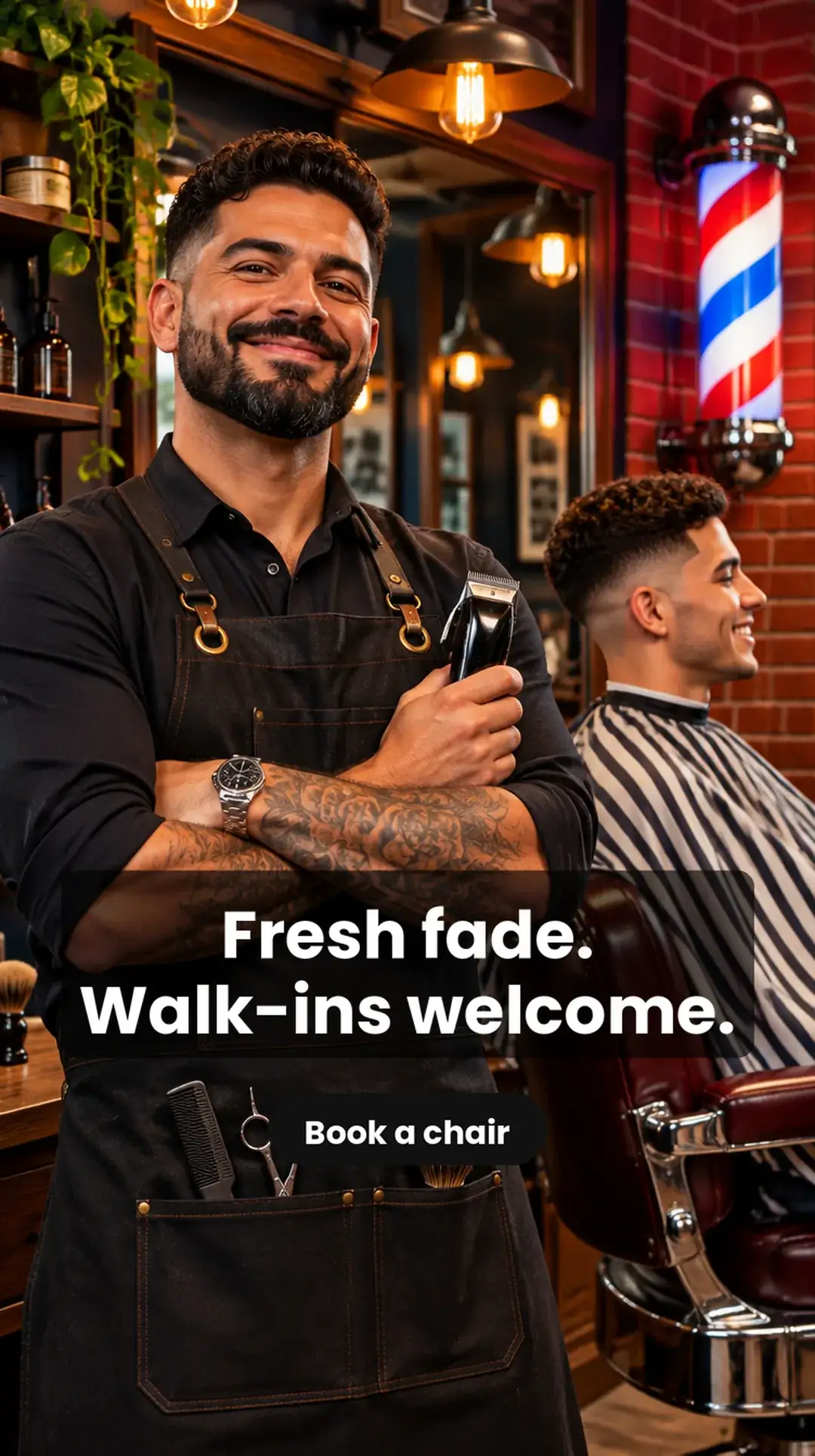
Made with AI for this site. The products and people are made up.
Why AI UGC ads look fake
Most fake-looking AI ads fail in the same few places. Reviewers of AI UGC tools complain about lips that don't match the words, movement that doesn't look natural and output that glitches. Viewers also notice when a script sounds like a brochure, or when the product in the video doesn't look like the one in the shop.
None of these are fixed by a better AI model alone. They're fixed by shorter scripts, better inputs and checking the result.
1. Keep it short and about one thing
A UGC ad copies a phone video: 1 person, 1 product, 1 point. Long takes give AI more time to drift. Aim for 8 to 15 seconds, and put the hook in the first line. If you have 3 points, make 3 ads and test them against each other.
In Campaignify, talking videos run 8, 10, 15, 20, 25 or 30 seconds, and you can make a batch of up to 12 variants to test different openers.
2. Start from real product photos
The product is the part viewers check most. Use clear, well-lit photos of the real product from more than 1 angle, with the label readable. Avoid photos with other products or busy backgrounds.
Campaignify reads the photos from your product page and lets you pick the ones every ad uses. AI can still get small details wrong, such as label text, so check them.
3. Write lines people actually say
- Use short sentences and everyday words. Read the script out loud; if you wouldn't say it, cut it.
- Describe what the product is and does, not adjectives about it.
- Skip claims you can't back up. Campaignify blocks income, health, discount and recruiting claims in every brief.
- End with 1 clear next step, such as "link in bio" or "tap to shop".
AI can draft the lines from your product and angle. Edit them until they sound like you.
4. Never fake a customer
An AI person can show and explain your product. It shouldn't claim to be a customer, share "my results" or give a review. The FTC bans fake testimonials, including ones from people who don't exist. Read the guide to FTC and Meta rules for the details.
Campaignify flags briefs where an AI person speaks as a customer.
5. Check every video before you post
- Watch with sound: do the lips match the words?
- Pause on the product: is it your product, with the right shape, color and label?
- Watch the hands: AI often bends fingers or objects.
- Read any text on screen for spelling.
- If anything is off, regenerate or drop it. Don't post a video you'd be embarrassed to explain.
In Campaignify the speech is generated with the video, so the words and lips are made together. Failed ads are refunded; finished ones you don't like are still charged, so start with 1 test video before a batch.
6. Label it and test it
Put #ad first in the caption and turn on the platform's AI label. Then treat AI UGC as a fast way to test hooks. One self-reported test on Reddit found AI ads won on return on ad spend while human UGC won on click-through rate. Find the hook that works with AI, then decide whether to film it with a real person.